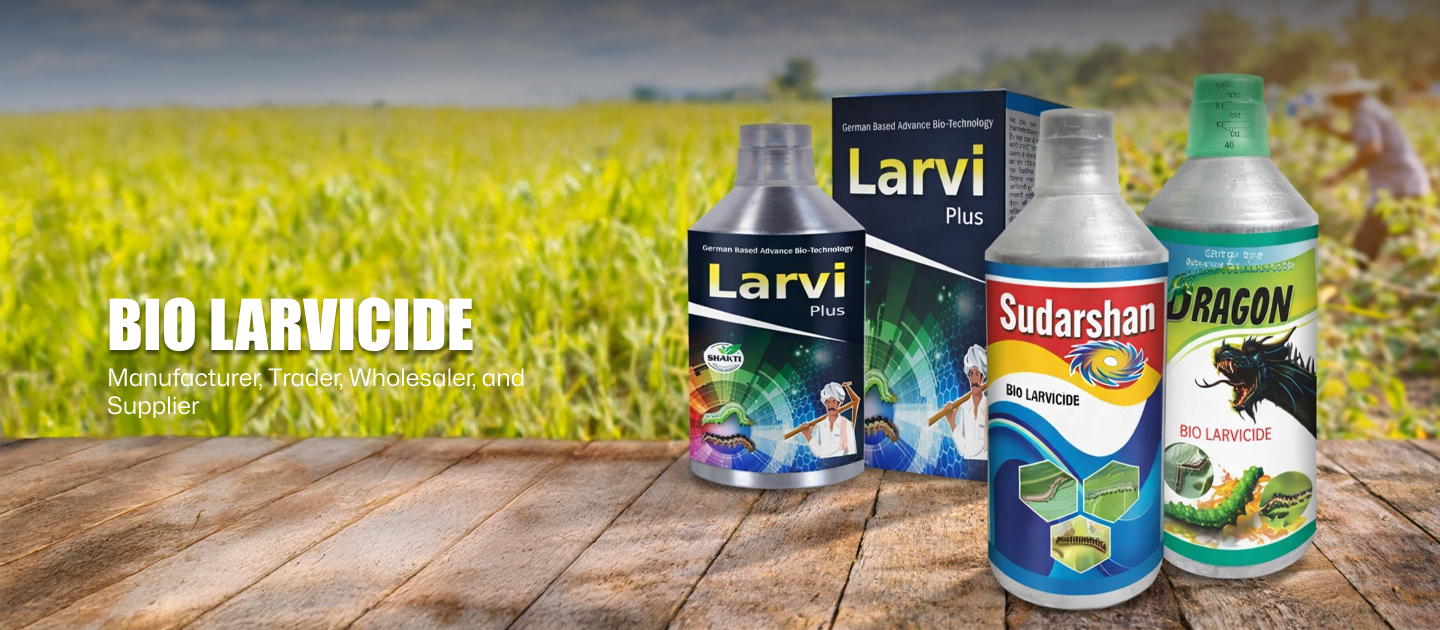
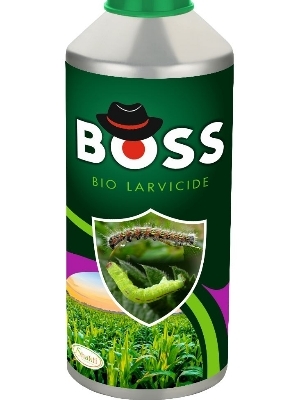
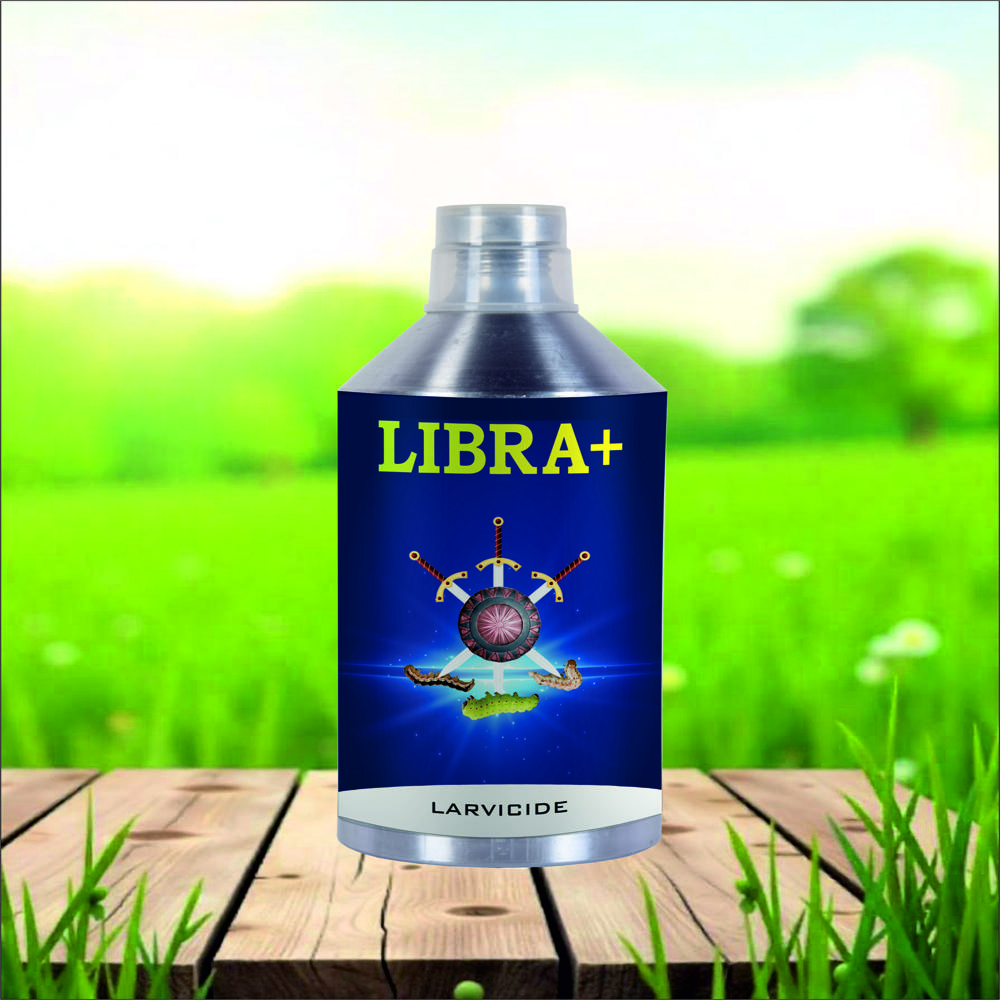
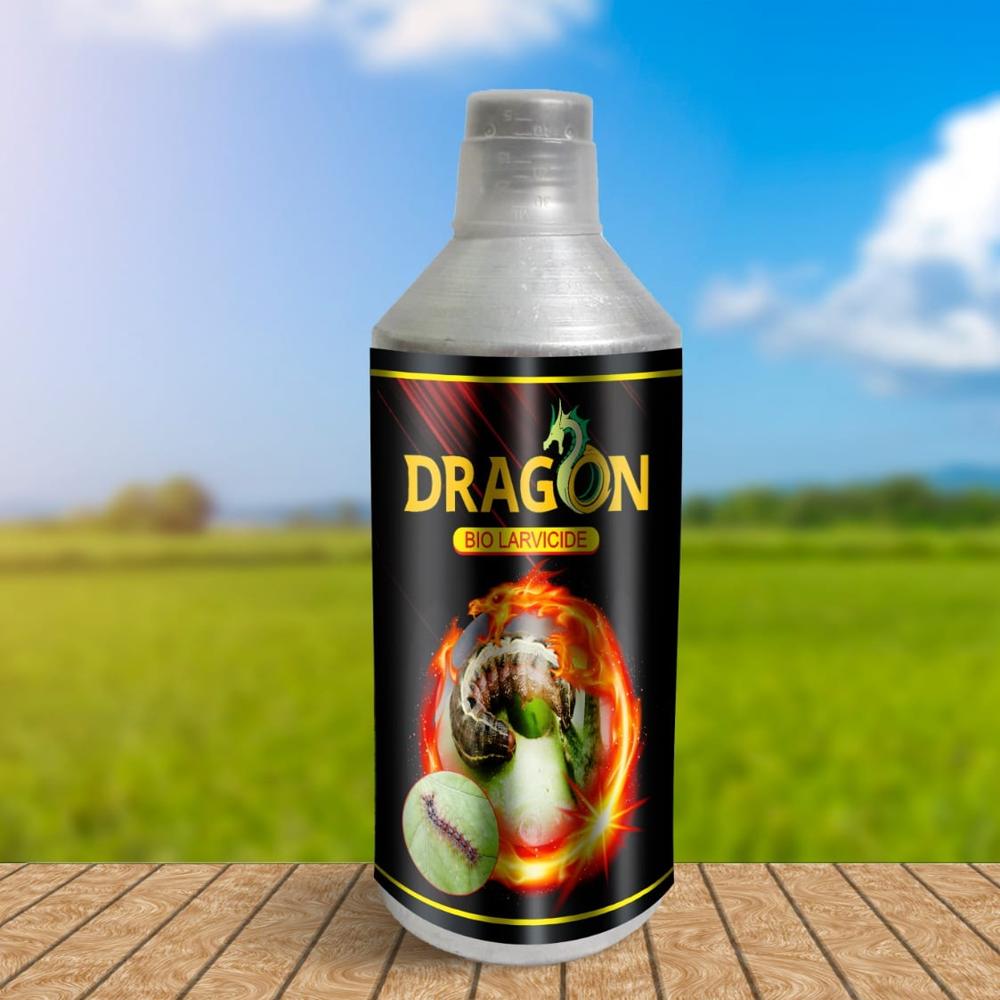
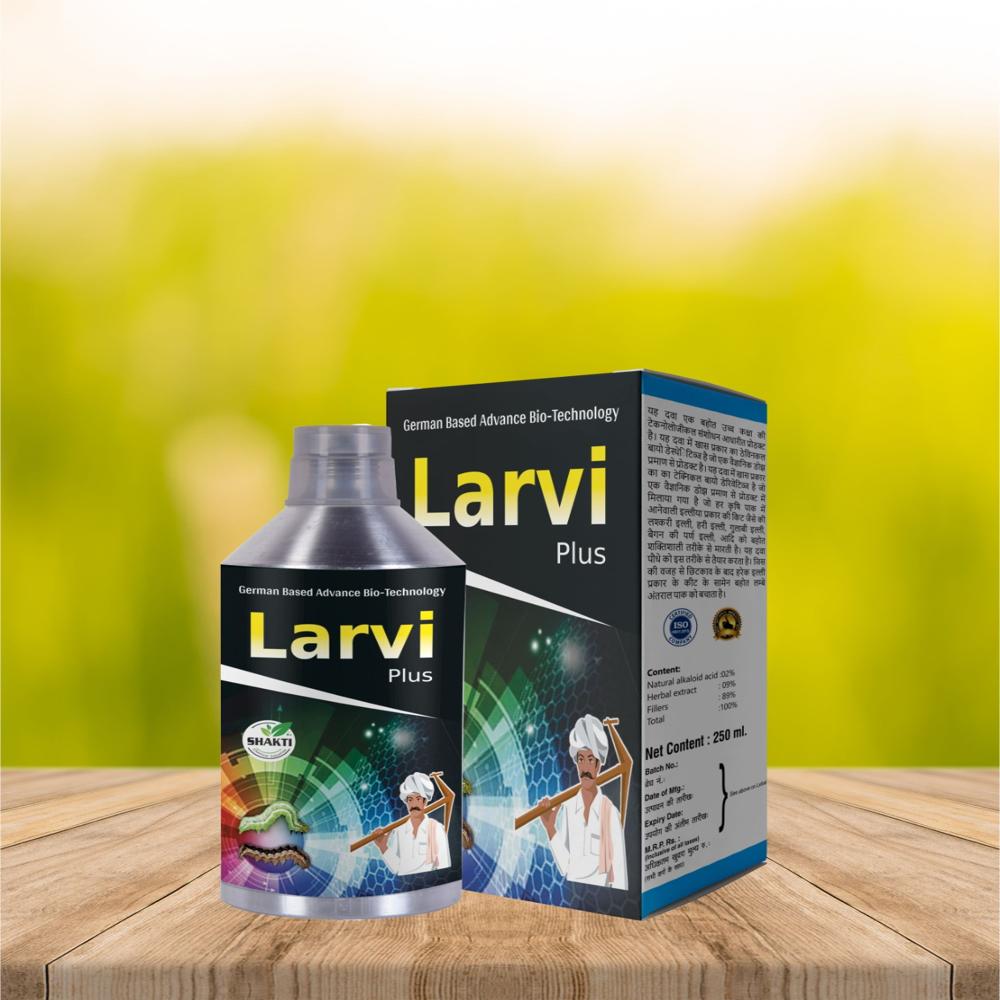
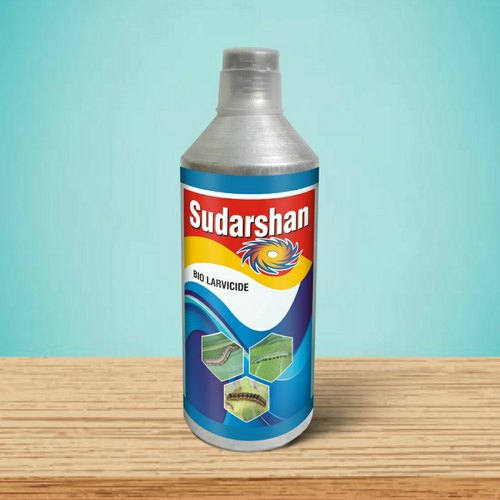
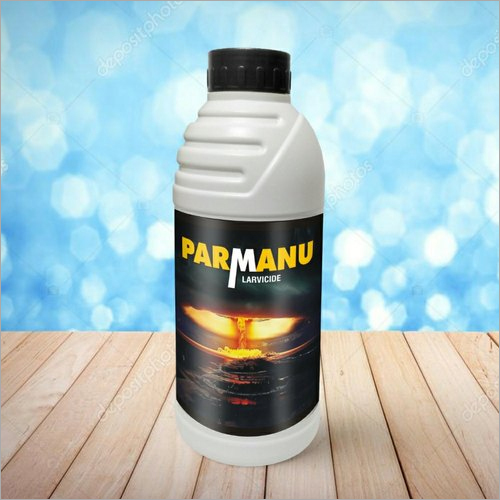
BIO LARVICIDE PESTICIDE About
Agriculture pesticide
1. Types of Pesticides
Pesticides can be categorized based on the type of pest they target:
-
Insecticides: Designed to kill or repel insects. These are used to protect crops and livestock from insect pests.
-
Herbicides: Used to control unwanted plants or weeds that compete with crops for nutrients, water, and sunlight.
-
Fungicides: Applied to prevent or control fungal diseases in plants, such as mold, mildew, and rust.
-
Rodenticides: Used to control rodents like rats, mice, and other pests that may damage crops or carry diseases.
-
Bactericides: Used to control harmful bacteria that can affect plants, crops, and livestock.
-
Nematicides: Target nematodes, which are microscopic worms that harm plant roots.
2. Chemical vs. Biological Pesticides
-
Chemical Pesticides: These are synthetic chemicals that are specifically engineered to target pests. They can be effective but may have negative side effects, such as environmental pollution, harm to non-target species, and human health risks.
-
Biological Pesticides (or Bio-Pesticides): Derived from natural materials like plants, animals, bacteria, or minerals. They generally have less environmental impact and are considered safer for non-target organisms and humans.
3. Mode of Action
The mode of action refers to how a pesticide works to control or kill a pest. Common modes of action include:
-
Contact Action: Pesticide comes into contact with the pest and kills it immediately.
-
Systemic Action: Pesticide is absorbed by the plant and is transported throughout its tissues, affecting pests that feed on the plant.
-
Stomach Poisoning: Pesticide is ingested by the pest, affecting its digestive system.
-
Respiratory Disruption: The pesticide interferes with the pest's respiratory system, causing it to suffocate.
4. Chemical Composition
Pesticides contain active ingredients responsible for their pesticidal activity, as well as inert ingredients that help with application, stability, and effectiveness. Common chemical classes of pesticides include:
-
Organophosphates: Affect the nervous system of pests.
-
Carbamates: Also affect the nervous system but are less persistent in the environment than organophosphates.
-
Pyrethroids: Synthetic chemicals similar to pyrethrins (natural insecticides), which disrupt the nervous system of insects.
-
Neonicotinoids: Mimic nicotine and affect the nervous system of insects.
-
Glyphosate: A widely used herbicide that disrupts plant growth by inhibiting an essential enzyme.
5. Application Methods
Pesticides can be applied using various methods, including:
-
Spraying: Using handheld sprayers, backpack sprayers, or large agricultural machinery for field applications.
-
Dusting: Pesticides are applied in powder form.
-
Soil Incorporation: Mixing pesticides into the soil to control soil-borne pests.
-
Seed Treatment: Pesticides applied to seeds before planting to protect them from pests.
-
Fumigation: Gaseous pesticides used to control pests in enclosed spaces like greenhouses, storage facilities, and soil.
6. Effectiveness and Safety
-
Effectiveness: A pesticide s effectiveness depends on factors like the pest species, the environmental conditions, and the method of application. Some pesticides are more effective on specific pests and may need to be reapplied multiple times.
-
Safety: Pesticides need to be used with caution due to potential risks to human health, animals, and the environment. Prolonged or improper use can lead to pesticide resistance, contamination of water sources, and harm to beneficial species (like pollinators).
7. Regulations and Control
-
In many countries, pesticides must be registered with regulatory authorities (such as the Environmental Protection Agency [EPA] in the U.S. or the European Chemicals Agency [ECHA] in the EU) before they can be sold or used. This ensures that the pesticide meets safety standards and is effective for its intended use.
-
Labeling: Pesticides must have clear and accurate labels that provide information on usage instructions, safety precautions, and possible risks.
8. Environmental Impact
-
Pollution: Some pesticides can run off into water sources, harming aquatic life and contaminating drinking water.
-
Non-Target Species: Overuse or misuse of pesticides can harm non-target organisms, including beneficial insects (like bees and ladybugs), birds, and other wildlife.
-
Pesticide Resistance: Overuse of a single pesticide can lead to the development of resistance in pests, making them harder to control over time.
9. Sustainable Practices and Alternatives
-
Integrated Pest Management (IPM): A holistic approach to pest control that uses a combination of biological, physical, and chemical methods. It aims to minimize pesticide use while maintaining effective pest control.
-
Organic Pesticides: These are derived from natural sources and are often used in organic farming systems to minimize environmental and health impacts.
-
Pest-resistant Crops: Genetic modifications to crops that make them resistant to pests, reducing the need for chemical pesticides.
10. Safety Precautions
-
Always follow the label instructions and safety guidelines when using pesticides.
-
Wear appropriate protective clothing such as gloves, masks, and eye protection.
-
Ensure proper storage and disposal of pesticides to minimize environmental and health risks.
-
Keep pesticides out of reach of children and pets to prevent accidental exposure.


 Send Inquiry



 Send Inquiry
 Send Inquiry
 Send SMS

