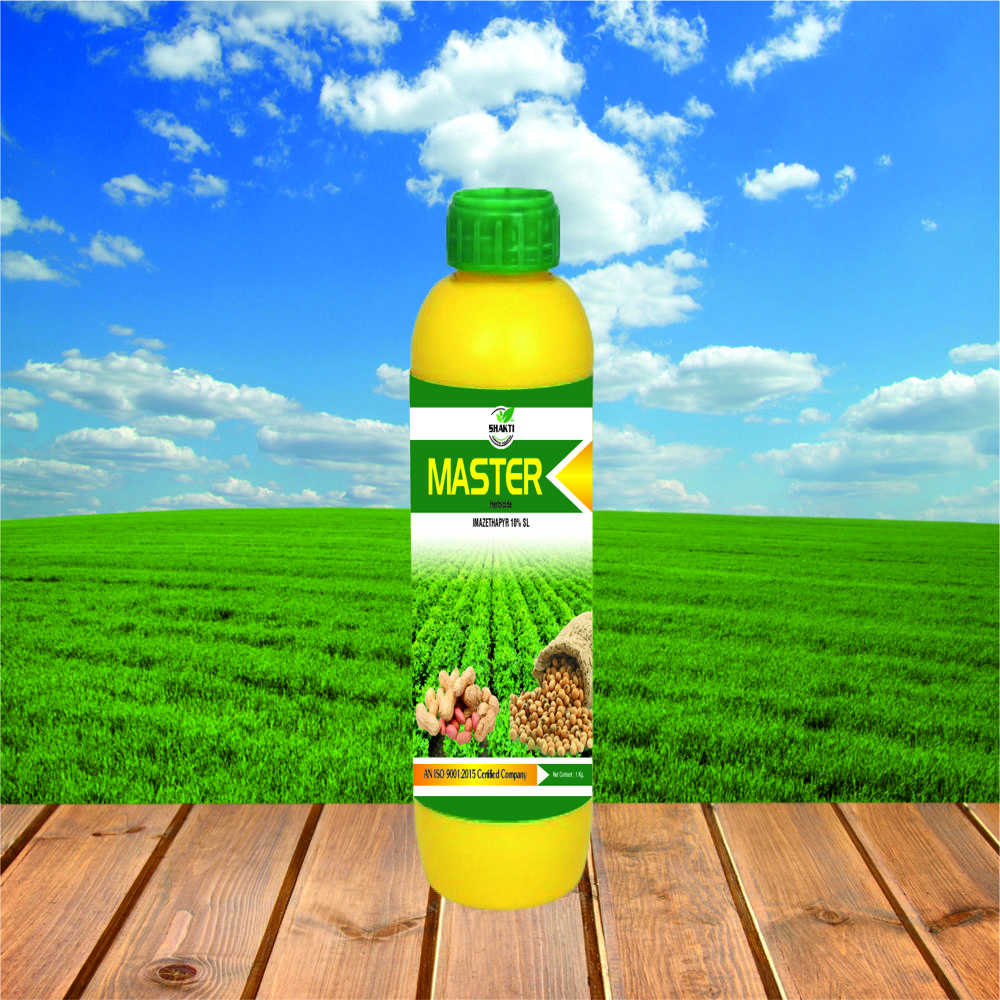
Imazethapyr 10% SL About
Key Features and Mode of Action
- Mode of Action: Imazethapyr 10% SL is a systemic herbicide, meaning it is absorbed through both the roots and foliage and translocated throughout the plant. It works by inhibiting the acetohydroxyacid synthase (AHAS) enzyme (also known as ALS), which is essential for the synthesis of vital branched-chain amino acids (isoleucine, leucine, and valine) in weeds. This disruption stops protein production, leading to the cessation of weed growth and eventual death.
- Selectivity: The herbicide has selective action, which allows it to control weeds without damaging the main, tolerant crops when applied correctly.
- Residual Activity: It provides long-lasting, residual control, killing both emerged weeds and those that may germinate later, reducing the need for multiple applications.
Recommended Use and Application
- Target Crops: Primarily used in soybean, groundnut (peanuts), black gram, green gram, red gram, and other pulses.
- Target Weeds: Effective against a wide range of weeds, including Echinochloa colonum (jungali rice), Euphorbia hirta, Commelina benghalensis, Digitaria spp., Cyperus difformis (motha), and various other annual grasses and broadleaf weeds.
- Application Timing: It is typically applied as an early post-emergence treatment, generally 7-14 days after sowing, when weeds are at the 1-4 leaf stage.
- Dosage: Common recommended dosages are around 400 ml per acre for soybeans and 400-600 ml per acre for groundnuts, mixed with an MSO (Methylated Seed Oil) adjuvant for enhanced efficacy.
- Method: The solution should be applied as a spray using standard equipment like a knapsack sprayer fitted with a flat fan nozzle to ensure thorough coverage.
Safety and Handling




 Send Inquiry





 Send Inquiry
 Send Inquiry
 Send SMS

